.png)
Seasonal Gutter Maintenance Checklist for Texas Homeowners
- Absolute Gutters

- Feb 6
- 11 min read
Keeping your gutters in good shape is super important, especially here in Texas where the weather can really do a number on your house. From those crazy spring rains to the blazing summer sun and fall leaves, your gutters are working overtime. This guide breaks down what you need to do throughout the year to keep them clear and working right, helping you avoid bigger problems down the road. Think of it as your go-to Seasonal Gutter Maintenance Checklist for Texas Homeowners.
Key Takeaways
Regularly clear out leaves and debris from your gutters and downspouts, especially after winter and during the fall.
Inspect your gutters for any signs of damage like cracks, holes, or sagging sections, and address them promptly.
Check that plastic components haven't warped and tighten any loose brackets or hangers to keep everything secure.
Install gutter guards and trim overhanging tree branches to minimize debris buildup and reduce how often you need to clean.
Don't hesitate to call a professional if you have persistent clogs, detached gutters, or notice water damage around your foundation.
Spring Gutter Tune-Up for Texas Homes

Spring is the perfect time to give your gutters a good once-over after the winter months. Even in Texas, where winters can be mild, debris like leaves and twigs can still find their way in, and the freeze-thaw cycles can put a strain on your system. Getting ahead of any potential issues now can save you a lot of headaches and money down the road.
Clear Debris After Winter
Start by removing any accumulated leaves, dirt, and small branches from your gutters. You can use a small trowel or a specialized gutter scoop for this. Once the bulk of the debris is out, use a hose to flush the gutters and downspouts. This helps clear out any remaining gunk and also lets you check if the water is flowing freely towards the downspouts. If you have downspouts that seem clogged, you might need to use a plumber's snake or a strong blast of water from the hose to clear them. It's a good idea to check that the water is actually exiting the downspout and moving away from your foundation.
Inspect for Sagging or Loose Sections
As you're cleaning, keep an eye out for any sections of the gutter that seem to be pulling away from the house or sagging in the middle. This often happens when the fasteners or hangers loosen up. Loose gutters can cause water to pool or spill over the sides, which isn't good for your roof or foundation. If you find any loose hangers, try tightening the screws. If the screws don't hold, the hole might be stripped, and you may need to use a larger screw or a different anchoring method. For more serious sagging, you might need to add extra hangers or consult a professional.
Check for Cracks, Holes, or Rust
While you're inspecting, give the material of your gutters a good look. Check for any visible cracks, small holes, or areas of rust, especially on older metal gutters. Even small holes can lead to leaks that can damage your home's exterior. If you find minor rust spots, you might be able to clean them up and apply a rust-inhibiting primer and paint. For larger holes or significant rust damage, it might be time to consider replacing that section or even the entire gutter system. It's important to keep your gutters in good shape, and you can find helpful resources on gutter maintenance and repair.
Don't underestimate the importance of a clean and secure gutter system. It's a vital part of protecting your home from water damage, and a little effort in the spring can prevent bigger problems later on.
Summer Gutter Preparedness in Texas
Summer in Texas means intense heat, and while you might not think about gutters much during dry spells, the sun can actually cause some issues. Plus, you always want to be ready in case a sudden summer storm rolls through. It’s a good time to do a quick check-up to make sure everything is holding up.
Examine Plastic Components for Warping
If your gutters or downspouts have any plastic parts, the relentless Texas sun can sometimes cause them to warp or become brittle over time. Take a close look at these sections. If you see any signs of sagging, cracking, or a change in shape, it might be time to think about replacing those parts before they fail completely and cause a leak.
Tighten Loose Brackets and Hangers
Temperature fluctuations, especially the expansion and contraction from hot days, can sometimes loosen the brackets and hangers that hold your gutters in place. It’s important to ensure these are snug to prevent your gutters from pulling away from the fascia or sagging. A loose gutter can lead to water pooling, which is exactly what you want to avoid. A quick tightening of any screws or fasteners can make a big difference.
Ensure Downspouts Direct Water Away
Even if it’s not raining much, you want to be sure your downspouts are still doing their job correctly. Check that they are securely attached and, most importantly, that they are directing water away from your home’s foundation. You don't want any water pooling near the base of your house, as that can lead to bigger problems down the line. Make sure the extensions are in place and angled properly. This is a good time to review your home maintenance checklist to see if other outdoor tasks are due.
Summer heat can really stress outdoor components. A little attention now can save you from bigger headaches later, especially if unexpected heavy rains hit.
Fall Gutter Maintenance for Leaf Control
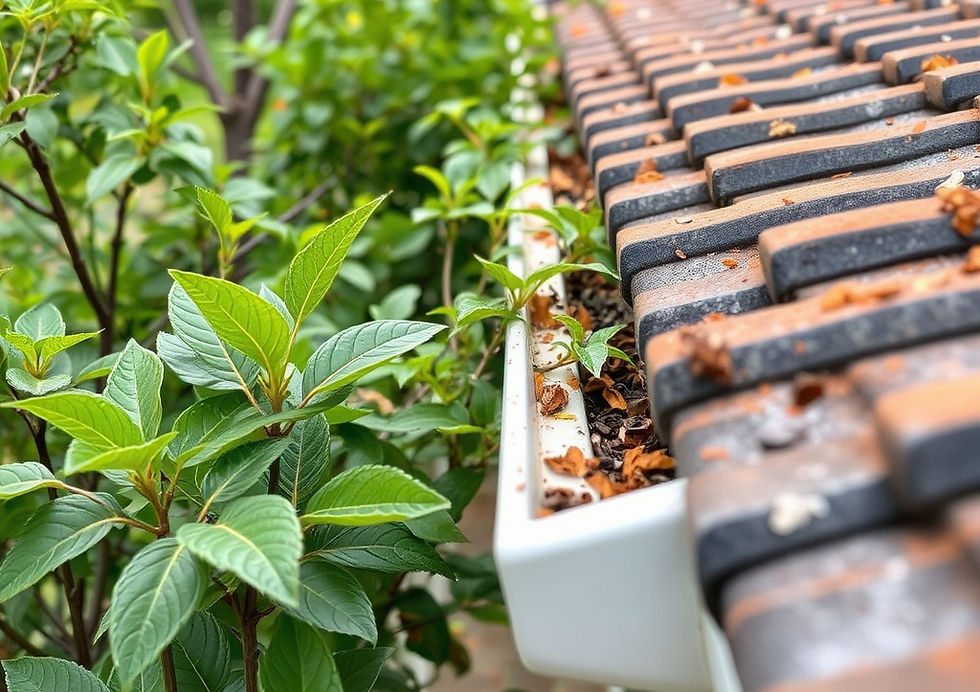
Fall is a busy time for Texas trees, and that means a lot of leaves are about to make their way into your gutters. If you don't stay on top of it, you'll have a real mess on your hands, and that mess can lead to some pretty expensive problems down the road. Think water damage to your roof or even your foundation. It’s better to tackle this before the real cold weather hits.
Regularly Clean Gutters to Prevent Clogs
This is the big one. You really need to get in there and scoop out all those fallen leaves, twigs, and whatever else the wind decided to deposit. Don't just let them sit there; they'll hold moisture and start to break down, which is bad news. Make it a habit to check and clear your gutters at least twice during the fall season. If you have a lot of trees around your house, you might even need to do it more often. It’s a bit of a chore, but it’s way easier than dealing with the consequences of clogged gutters.
Inspect and Clean Gutter Guards
If you've invested in gutter guards, now's the time to give them a good look. These things are supposed to keep the big stuff out, but they can still get clogged themselves with smaller debris or a really dense layer of leaves. You'll want to gently brush or rinse them off to make sure water can still flow through freely. A clogged guard is almost as bad as no guard at all. If you don't have them, fall is a great time to think about installing some to make future cleanings less of a headache. You can find more info on gutter maintenance to help you decide.
Check Drainage System Functionality
It's not just about the gutters themselves; you need to make sure the water has somewhere to go. Run some water from your hose down the downspouts to check that they aren't blocked. If water is backing up or not flowing smoothly, you've got a clog somewhere in the downspout or the underground drainage system. Clearing these blockages is key to preventing water from pooling around your home's foundation, which is something we definitely want to avoid here in Texas.
Keeping your gutters clear in the fall is a proactive step that saves you from potential water damage and costly repairs later on. It’s a simple maintenance task that offers significant protection for your home.
Winter Gutter Protection in Texas
Even though Texas doesn't usually get harsh winters like some other parts of the country, we can still get those sudden freezes and heavy rains that can cause problems for your gutters. It's important to check things over before the cold really sets in.
Look for Signs of Ice Damming
Ice dams happen when snow or ice melts and then refreezes at the edge of your roof. This can make water back up under your shingles, which is definitely not good. While we don't get a lot of snow, even a hard freeze after some rain can cause similar issues. Keep an eye out for any water that seems to be pooling or freezing where it shouldn't be.
Verify Gutter Alignment and Pitch
Just like any other time of year, making sure your gutters are sloped correctly is key. Water needs to flow smoothly towards the downspouts. If they're not aligned right, water can sit there and freeze, causing damage. It's a good idea to check that everything is still pitched correctly, especially after any strong winds or heavy rain.
Inspect Seams for Potential Leaks
If your gutters aren't seamless, the seams are often weak spots. Winter weather, with its temperature swings, can put extra stress on these areas. Look closely at all the joints and seams for any signs of rust or small holes where water might start to drip or leak. Catching these early can save you from bigger headaches down the road. A professional gutter inspection can help spot these issues before they become major problems.
Preventing Gutter Clogs and Blockages
Keeping your gutters clear is a big deal, especially here in Texas where we can get some serious rain out of nowhere. If your gutters get all gummed up, water can overflow and cause all sorts of problems, like damaging your roof, siding, or even messing with your foundation. It’s way easier to stop clogs before they happen than to deal with the mess later.
Install Gutter Guards for Debris Prevention
One of the smartest moves you can make is to put in gutter guards. These things are like a shield for your gutters, stopping leaves, twigs, and other junk from getting in while letting the water flow through. They really cut down on how often you need to clean them out. Think of it as a long-term investment to protect your home from water damage. You can find different types, so pick what works best for your house. Check out options for gutter guards.
Trim Overhanging Tree Branches
Trees are great, but they also drop a lot of stuff into your gutters. Leaves, little twigs, even acorns can pile up fast. A good rule of thumb is to trim back any branches that hang over your roof by at least 10 feet. This makes a big difference in how much debris ends up in your gutters.
Ensure Proper Gutter Slope and Alignment
Your gutters need to be sloped just right so water can run off smoothly. It should be about a quarter-inch drop for every 10 feet of gutter. Over time, gutters can start to sag, especially if they get heavy with water and debris. It’s a good idea to check them periodically to make sure they’re still angled correctly and that water isn’t just sitting there.
Keeping gutters clear isn't just about looks; it's about protecting your home's structure from water damage. Regular checks and simple preventative steps can save you a lot of headaches and money down the road.
When to Call a Professional for Gutter Service
Sometimes, you just can't do it all yourself, and that's okay. If you're finding that your gutters are constantly giving you trouble, it might be time to call in the pros. It’s not a sign of failure, just a smart move to protect your home.
Address Persistent Clogs
If you've cleaned your gutters multiple times and they're still backing up, there's likely a bigger issue at play. Maybe it's a hidden blockage deep in the downspout, or perhaps the slope of your gutters isn't quite right, causing water to pool and debris to settle. Professionals have the tools and know-how to find the root of the problem and fix it properly. They can also suggest solutions like installing gutter guards if debris is a constant headache.
Repair Sagging or Detached Gutters
Gutters that are pulling away from your house or look like they're about to fall off are a serious problem. This usually means the fasteners holding them up are loose, broken, or the fascia board they're attached to is damaged. Trying to fix this yourself can be tricky and even dangerous if you're not comfortable on a ladder. A professional can assess the damage, replace any bad hardware, and make sure your gutters are securely reattached, preventing water from getting behind them. This is really important for preventing further damage to your roof and walls. You can find gutter installation services in Dallas, TX, if you need help with this.
Fix Water Damage Around the Foundation
Seeing water pooling near your home's foundation after it rains is a big red flag. It means your gutters and downspouts aren't doing their job of directing water away from your house. This can lead to serious foundation problems over time, which are super expensive to fix. If you notice damp spots in your basement or cracks in the foundation, your gutters are the first place to look. A gutter service can check your entire drainage system, from the gutters themselves to the downspouts and splash blocks, to make sure everything is working as it should. They can also help reroute downspouts if needed.
Don't wait until minor gutter issues turn into major home repairs. Recognizing when to call a professional is key to maintaining your home's integrity and avoiding costly problems down the line.
Keep Those Gutters Flowing!
So, there you have it. Taking care of your gutters in Texas isn't just about keeping things tidy; it's about protecting your whole house. From those sudden spring downpours to the dry spells and everything in between, your gutters are working hard. By following this checklist, you're doing a big favor for your home's foundation, roof, and landscaping. It might seem like a lot, but tackling these tasks season by season makes a huge difference. If it all feels a bit overwhelming, or if you find a problem that's too big to handle yourself, don't hesitate to call in the pros. A little regular upkeep goes a long way in preventing bigger, more expensive headaches down the road.
Frequently Asked Questions
How often should I clean my gutters in Texas?
It's smart to clean your gutters at least twice a year. Think about doing it in the spring after winter's mess and again in the fall before the leaves really start to pile up. If you have a lot of trees near your house, you might need to clean them more often.
What should I look for when I'm checking my gutters?
When you clean your gutters, look for any spots that are sagging or seem loose. Also, check for any holes, cracks, or signs of rust. It's also a good idea to make sure the parts that hold the gutters up, called brackets or hangers, are tight.
Are gutter guards worth it in Texas?
Yes, gutter guards are a great idea! They act like a shield, stopping leaves and bigger bits of stuff from getting into your gutters. This means fewer clogs and less cleaning for you. They help a lot, especially if you have trees that drop a lot of leaves.
Why is it important to trim tree branches near my gutters?
You should definitely trim branches from trees that hang over your roof. This stops leaves and twigs from falling into your gutters in the first place. It also helps prevent branches from scraping or damaging your roof and gutters, especially during windy Texas weather.
When should I call a professional for gutter help?
If your gutters are constantly getting clogged even after you clean them, or if you see them sagging or pulling away from your house, it's time to call a pro. Also, if you notice water damage around your home's foundation or leaks inside, a professional can figure out what's wrong and fix it.
How does Texas weather affect my gutters?
In Texas, the weather can be tough on gutters. The strong sun can make plastic parts brittle or warp, and heavy rains can cause clogs and overflow. Keeping them clean and in good shape helps prevent water from damaging your roof, walls, and the ground around your house's foundation.
Comments